
Rocky Mountain Spotted Fever

What is it and why is it an evolving concern?
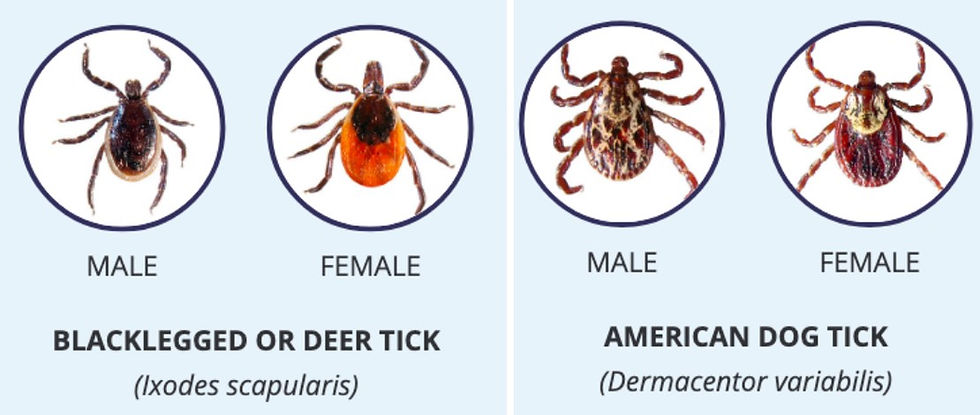
Rocky Mountain Spotted Fever is a bacterial disease caused by Rickettsia rickettsii. This bacteria can be carried by a few different ticks: American dog tick, Rocky Mountain Wood tick and brown dog tick. The American dog tick is well established throughout Ontario, however it typically has not transmitted the bacteria well. This seems to be changing as we have seen confirmed cases linked back to the Long Point area. Unfortunately, this bacteria can also be transmitted faster than the bacteria that causes Lyme disease. The majority of tick preventatives kill attached ticks within 24 hours. Rickettsia rickettsii can be passed from an attached tick to a dog in as little as 4-6 hours as per the Centers for Disease Control and Prevention. Common clinical signs of this disease in dogs are: decreased appetite, lethargy, fever, stiff gait, swollen joints, vomiting, diarrhea, bleeding gums, nosebleeds or unexplained bruising. These signs usually develop 2-14 days after being bit by an infected tick. To confirm the disease, a blood test must be sent out to an external laboratory. It is also important to understand that people can get Rocky Mountain Spotted Fever if bit by an infected tick.
How do I protect my dog from Rocky Mountain Spotted Fever?
Discuss with your Veterinarian your dog’s risk level for tick borne diseases and the best tick preventative option for your dog
Get in the habit of performing tick checks after spending time outside (not only on your dog, but also yourself!)
Avoid high risk areas (Long Point, leaf litter and long grass terrain), particularly during March-October
Written by: Dr. Courtney Anderson

Comments